Saturday, November 12, 2005

Another transgression - this time into the world of salt...


"A wise woman puts a grain of sugar into everything she says to a man, and takes a grain of salt with everything he says to her."
~Helen Rowland, 1876-1950


“He is not worth his salt”, is a common expression origination in ancient Greece where salt was traded for slaves. Roman soldiers were paid “salt money”, salarium argentum, from which we take our English word, “salary”. And with this, here are a few cooking tips...

As much as I believe in “clean as you go”; I also believe in “salt as you go”. Salt is a flavor enhancer and will develop the flavors of food as it cooks. Sprinkling salt on after cooking is an entirely different reaction than if it's added while cooking... When I made the curry, I salted the lamb while I browned it off, salted the onions while they were caramelizing, salted the water before I blanched the beans, salted the squash before I roasted it. I like to consider each ingredient that I am cooking as a separate component that should have its own perfect flavor and texture before being added to the main dish…

I love salt and I get mildly annoyed by people that are timid with it. Of course, I don’t like something to be over-salted, but rather, just right. When you are making soups or stews; anything starchy like taro, squash, potatoes, pasta and rice will absorb a lot of salt (although be carefull when you are cooking dried beans – you don’t want to add salt until the beans have softened. The salt reacts with the coating of the bean and prevents absorption). So, if you really want your stew to taste good – you’ll have to season it up well!

According to the British Medical Journal, salt has little importance to hypertension and there is scant relationship between sodium and blood pressure. So, you can’t use that as an excuse anymore. Go ahead and throw out that crappy Iodized table salt that you have too and get a box of kosher salt for cooking, and some nice sea salt for finishing your dishes. Dead Sea Salt, which is rich in bromine (bromine is said to have a slight sedative effect on the human nervous system), is even healthier. So, fear not your salt-shaker.

I had the opportunity a while back to help prep for an event given by the New Yorker. Dario Cechini, a butcher from Tuscany and with whom Mario Batali once worked, was preparing lunch and doing a cooking demonstration. We prepared for three days in advance and it was an all out pork extravaganza. We made lardo – ground pork fat back mixed with herbs and vinegar (spread on grilled Tuscan bread); Arista – pork tenderloin wrapped in pork belly and stuffed with rosemary and fennel pollen; sausages, and we even had a visit from the fire department as we were grilling off 6-inch thick Tuscan steaks (Dario laughed it off and the firefighters left with a beautiful arista for their dinner that night). The butcher brought this wonderful, fragrant salt that he would sprinkle on Tuscan bread, with estate olive oil (from his family farm). It was so delicious and at the end of the event, we each received a bag of his salt. The salt is called “Profumo del Chianti” and is combined with aromatic herbs from Chianti (hmmm, can this be any more obscure? Ok, I know there is fennel pollen, and perhaps some rosemary? But I’m not sure what else). I made some popcorn the other night and I hadn’t any butter. So, instead I tossed it with an excellent unrefined, extra-virgin olive oil and the “Profumo del Chianti”, and damn, if it wasn’t the best popcorn I’ve ever eaten! If you ever want to try something new – sprinkle your popcorn with the best olive oil you can get your hands on (my personal favorite is a Lebanese brand, “Saifan Extra-Virgin Olive Oil”, cold-pressed and unrefined) and a really good quality salt or salt and herb blend of your own creation...

Maldon Sea Salt is also great. The salt crystals are big and flaky and great for sprinkling on whole fish or meat that is being grilled or roasted. Sprinkle it on just before cooking, and the salt will give your meat or fish a salty little crunch…

Grey Sea Salt has a nice mineral quality to the flavor and if the grains seem moist when you buy them, poor it onto a baking sheet and dry them in a slow oven then fill your salt mill…

Here are a few fun salt links:
Salt Works
Salt Traders
Salt, A World History

#1 of the One-Pot-Wonders

If you try Queens Hideaway, you’ll certainly forgive my previous transgressions…

Now, back to the matter at hand. I spoke to Dario and asked him if I could begin shopping and prepping at home for the passage. I emailed him a menu, to which he said ok without, I suspect, even looking at it – which is fine by me! Isn’t that every chef’s dream to cook whatever they’d like? I did a bunch of grocery shopping today and already have somethin’ on the stove.

For #1 of the One-Pot-Wonders, I’ve begun a curried lamb stew (it’s on the stove now). Recipes, for me at least, are just guidelines. I don’t think I’ve once followed a recipe precisely unless it was for baking. I have a basic recipe for curried lamb, but it doesn’t include anything other than lamb, some onions, garlic, ginger, curry spices and cooking liquid. I’ve decided to embellish the recipe since this needs to be a more substantial meal for the crew. I thought about adding potatoes, but wanted something more interested. I found fresh taro root at the produce market today (the benefit of living in an ethnic neighborhood). Taro is often found in Asian and Latino cooking and is often mashed into cakes or boiled and fried. I find it to be slightly more toothsome than a potato and it absorbs the flavors of anything you cook it with (it’s like the tofu of root vegetables). I figured it would be great to add to the curry as it will absorb the nice, rich curry sauce. I also found a nice Kabocha squash. Kabocha is fairly new to the United States. It’s a Japanese pumpkin and has a green rind and orange flesh. It’s sweetness is a little more subtle than a butternut squash, and it’s flesh is a little more firm. I’m also throwing in some green beans, so that my boys get some green veggies in their diet while we’re sailing. Since the stew is going to be frozen and reheated, I’ve decided to roast the squash off and add it at the end; and the green beans I’ve blanched and will wait until the stew is actually cold before I add them. It’s my hope that this might prevent the vegetables from becoming mushy with the freezing and reheating. I’m going to add some fresh cilantro to the cold stew as well so the flavor will come out when the stew is re-warmed, since I won’t be adding nice little herb garnishes to things while we’re out at sea....

And in this case, for the One-Pot-Wonders, I take a more guerilla approach to cooking. So, here is the guerilla recipe for my curried lamb stew:

Vegetable oil
4 #’s Boneless lamb, cubed (or beef)
4 c. chopped onion
2 Tbsp. chopped garlic (or a big, heaping mound if you don’t feel like measuring)
4 Tbsp. fresh ginger, finely chipped (another big, heaping mound)
2 Tbsp. cumin
4 Tbsp. coriander
3 ½ tsp. turmeric
1 Cinnamon stick (or 1 tsp. ground cinnamon)
3 Cloves
(or, if you really must, you can skip all these dried spices and add 3-4 Tbsp. of your favorite curry powder. But really, why not make it yourself? Curry powder isn't as intimidating as it might seem.)
Red pepper (or to taste)
3 c. finely chopped tomatoes or 2. canned tomatoes, chopped or pureed
1 Tbsp. kosher slat
5 fresh taro root, diced (or 4 med. Potatoes)
4 cups green beans, cut into 1 inch pieces and blanched
1 med. Winter squash, seeded and diced
3 cups red wine (because why not? But this can easily be replaced by water or stock)
3 cups lamb or beef stock (or water)
5 Tbsp. fresh coriander leaves

I like to use a cast iron dutch-oven. Heat oil in the dutch-oven and brown meat in batches and set aside. Add oil to pan, along with onions. Reduce heat to med. and nd fry onions until dark brown, stirring constantly so they do not burn. Add garlic and ginger and fry for an additional two minutes. Add cumin, coriander, turmeric, and red pepper, and continue frying until spices become fragrant (10 – 15 seconds), add remaining spices. Return meat to pan with tomatoes, salt and boiling stock and wine. Bring to a boil. Reduce heat and simmer, covered for 1 ½ hours. Add winter squash and continue cooking for 15 – 20 minutes, until squash is tender. Add taro and continue simmering, covered, until taro is tender (10 minutes). Turn off heat and let rest for ½ hour to 2 hours. Before serving, bring to a simmer, add green beans, adjust seasoning and add chopped, fresh coriander leaves.

And there is the first of the One-Pot-Wonders.

A slight diversion - but a good place to be diverted...

Well, our departure has again been delayed. The boat is out of the water right now and the crew is waiting on some rigging parts, which isn’t really that big of problem but while the boat is out of the water there is no refrigeration (the on-board refrigeration system is water cooled – hence, no water, no refrigeration)… Dario said he would call me with three days notice as to when we were leaving. In the meantime, I’ve asked him if I could begin prepping and cooking at home so I don’t go completely out of my mind with all this time on my hands. It’s not that I can’t find things to do – but friends, wanting to see me before I leave, keep inviting me to go to dinner with them, which leads to lots of wine consumption, which leads to lots of headaches the next morning… and I seem to be waking up with lots of headaches lately. Speaking of, I went to the most excellent restaurant on Wednesday night! A little place called “Queens Hideaway” in Greenpoint, Brooklyn (222 Franklin St.). The name suits the restaurant, it’s the most obscure, tiny little hole in the wall - if you didn’t known where you were going, you’d easily miss it and the food is outrageously good. I was with a large group of people so we ordered the entire menu times two, which was the perfect choice. First, and instead of bread – we were presented with a bowl full of peanuts, served warm and in there shells, steeped in vinegar and spices. They were amazing. Then we had two fabulous salads; one with chili and sage smoked apples, lardons, mache and red oak lettuce with balsamic and some cheddar shavings; another with roasted baby beets and Cato Corner Blue Cheese with smoked walnuts, wilted spinach and a bitter orange and shallot dressing. For dinner we had the “BBQ Sausage and Pork Picnic” and being pork-obsessed, this was the bomb. The sausage was great, as was the cured pork butt and the baked beans were cooked to perfection. Then there was the chicken stewed with smoked pasilla and porter beer over cornmeal cakes with crema and smoked pepita’s, which was delicious. There was also a smoked and fried trout po’ boy with mustard greens, fennel simmered in smoked fish broth and topped with aioli and lemon jam… The chef of Queens Hideaway get’s very creative with the smoker, and in fact, with all of her cooking. The food was absolutely out of this world. The restaurant only seats around 20, but it was a cold and rainy night so we had the place all to ourselves. Our server was totally on the ball, and our bill, for eight of us – came to a cool $166.00. A completely retarded bargain for the totally amazing food – which means that you’d better go there now before they realize what a steal they are and raise their prices! The restaurant is also one of the few welcoming B.Y.O.B.’s ($5 per bottle corkage fee) in this city, which we did. I believe between eight of us, we drank eight bottles of wine… Oh, and how can I forget dessert? Bittersweet chocolate French toast with a ½ pear poached in wine, butter and lemon verbena and a ginger cookie bar with rosemary honey. The menu changes daily and is according to the chef’s whim, and whatever looked good at the green market - so don’t go there expecting to see anything that I’ve listed here. Go there expecting great, innovative food in a totally unpretentious, laid-back environment. These people surely aren’t from New York…

Monday, November 07, 2005

If you were stranded on a desert island for 6-months, which cookbook would you bring?


There are about 350 cookbooks in my collection at the moment which may seem like a lot, but I can easily think of 300 more cookbooks that I don’t have and would like to add… Obviously, bringing crates of cookbooks on the boat is not an option. So, I have to decide on five or six that I will be able to use over the next six months. This is not an easy decision.

I’ve decided to bring one “general-purpose” cookbook; something simple to use as a quick reference for a birthday cake or clam chowder; then, three or four ethnic and/or specialty cookbooks and one high-end cookbook. The main requirement of each cookbook being that it has to be practical. As much as I love Gray Kunz ”The Elements of Taste” or the cookbook from “French Laundry”, my access to specialty ingredients and equipment is limited. Also, I’ll be cooking in a less than ideal environment; ie, Caribbean heat and humidity; which would make the more delicate recipes difficult at best. My boys on the boat are big fans of Asian cooking but personally, I can do without Chinese. Too many oily, cornstarch and soy sauce smothered vegetables and sticky-sweet, hart-burn inducing fried meats have turned me off for life. I much prefer Thai or Japanese.

Of the ethnic and specialty books, I’ve decided on “True Thai” by Victor Sodsock and “Simply Ming” by Ming Tsai.

I chose “Simply Ming” for its focus on marinades, rubs, sauces, chutneys, dressings, infused oils, etc. Although I have yet to cook out of this book, I was definitely intrigued by the table of contents alone. The beautiful, bright and festive pictures were a draw too, but I love making curry pastes and sambals and experimenting with Asian spices so I only wonder why I didn’t find this book sooner! It seems like it will provide hours and hours of experimentation and fun in the kitchen.

The recipes in "True Thai” are practical, fun and delicious. The soups have kept me warm through many a winter and I love the seafood recipes from this book. There’s a great section in the book called “Cooking with a Thai Accent” which gives some pointers and tips when experimenting with fusion cooking and I just generally love this book.

My cookbook collection is a bit lacking in the Japanese dept. so I think that I’ll have to run to the bookstore and get one more to fill in…

The jury is still out on which Middle-Eastern cookbook to bring. I’m torn between Paula Wolferts “Cooking of the Eastern-Mediterranean”, “Mediterranean Grains and Greens” and Claudia Roden’s “The New Book of Middle-Eastern Food”. One Middle-Eastern cookbook that will be going with me however is a book from my grandmothers church. It’s bound by red plastic rings, with a well-worn red cover that says, “Magic Cookery” in gold lettering and with a magic lantern embossed on it. They are the old family recipes that I grew up with; Kibbe, Baba Ganooj; Tabouli, Namoora, Baklawa, Talmee Za’atar; Knafee, etc. Of course, included are also recipes for jello molds, Chicken “a la king” and Lobster Thermidore and the chances of me making any of those are slim to none, but the Lebanese recipes are priceless. It’s the food I know and love and whenever I cook them for anyone it is met with praise and I have yet to find another middle-eastern cookbook that has anything close to my grandmothers cooking...

Of the general-purpose cookbooks, I’ve decided on the “Gourmet Magazine Cookbook”. The recipes are fail proof, and are more modern, and have more of a gourmet element to them than “Joy of Cooking”. Plus, a friend of mine was a recipe tester for the book. So, if something doesn’t work, I can always email him and give him a hard time. ;o)

For desserts, I’ve chosen “The Last Course” by Claudia Flemming. The book covers a wide variety of ingredients and desserts and is well organized. The ingredients aren’t anything out of reach considering the environment I’ll be working in and there is a lot of focus on tropical fruits that should give me some inspiration for the local ingredients in St. Barth’s.

And finely, of the high-end cookbooks I’ve decided on Eric Ripert’s “A Return to Cooking”. This book really struck a note with me from the moment I opened it. There are four sections; Sag Harbor, Puerto Rico; Napa and Vermont. Puerto Rico and “West Indies Improv” section piqued my interest for obvious reasons and should provide some good inspiration for Caribbean ingredients; Napa, of course, reminds me of home; Sag Harbor reminds me of cooking the Hamptons in the summertime and Vermont just reminds me of the wonderful bounty of the North East the other three quarters of the year… The stories, recipes and pictures in this look book seem as lush and beautiful as Ripert’s cooking so I look forward to trying them…

Saturday, November 05, 2005

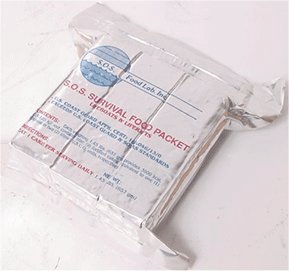
MRE's: Planning for the crossing


Well, I’m all packed and ready to go. With that out of the way, boat work delays and a case of the flu I now have ample time to work out menus and plan my meals for the crossing. So, here I sit at my couch, laptop on lap, a pile of cookbooks, a box of tissues and a cup of tea beside me. As I read the provisioning books and work through my menus I begin to see what a task this is and how busy I will be getting the boat provisioned. A plan of attack, menus, lists and organization are going to be crucial to my survival!

I am so used to relying on the availability of fresh, top quality ingredients and being able to run up the block or across town for anything I’ve forgotten. It’s easy to make good food if you have the bounty of the green markets, ethnic neighborhoods and specialty food stores at your fingertips. But for the crossing, I am limited to the bounty of the fridge, freezer and dry storage for ten or more days and there’s no corner bodega in case I forget something.

The variables of cooking on the passage are many… The environmental factors include accounting for inclement weather which can add days to the passage. Rough weather will most likely bring about some seasickness so there will need to be some bland meals pre-prepared and easy to reheat. The motion of the boat makes cooking at sea take twice as long to prep and the wind tends to pickup at sunset. In many galley kitchens the stove is gimbaled so that it will remain horizontal while the boat is rocking. Our stove is not, which means that something as seemingly simple as boiling water can be a difficult if not dangerous task. Many of the meals will have to be portioned and easy to warm in the microwave. This will be a challenge for my repertoire of “one pot wonders”. Also, we have to conserve our fuel and energy supply during the crossing and so the generators won’t be running 24/7. This means that refrigerated items won’t have quite the shelf-life that they do at home. Milk, for instance, will only last about 3 or 4 days at sea. Items in the freezer must be Cryovaced (vacuum sealed) to stave off freezer-burn. Also, there has to be variety in the menu so the crew doesn’t want to throw me overboard by the fourth day. And, although a majority of things will be prepared in advance I have to include fresh fruits, vegetables and salads so the crew doesn’t befall the “scourge of the Royal Navy” and arrive in the Caribbean riddled with scurvy! Ok, highly unlikely, but you get my point, they have eat healthy! I have to be selective of the fresh items I bring on the boat – things like fresh herbs, baby salad greens, berries or other delicate fruits or vegetables won’t travel well or last very long; more heartier fruits and vegetables such as romaine, kale, escarole, winter squash, cabbage, potatoes and apples, oranges will have a longer shelf-life but they have to be stored properly to ensure they last and I will most likely be freezing or buying lots of frozen fruits and vegetables. We will also be fishing during the crossing so we’ll need some raw ingredients to go with any fresh catch…

One challenge is coming up with a menu of several “one pot wonders” and easy to re-heat meals that will freeze easily and be just as tasty when they are micro-waved. I don’t know how some foods will take being frozen and then reheated. I’ve been given a list of the provisions that are currently on the boat – they include canned vegetables, canned fruit, canned corned-beef hash, canned mushroom soup. I am a big veggie eater, the fresher, the better and I can make do with frozen vegetables. But canned? I honestly don’t recall ever having opened a can of vegetables – or for that matter, anything other than tuna or soup (ok, maybe the fruit salad mom used to put in my lunch box)… Many aspects of cooking for the passage go against everything I’ve ever known or done in the past and require me to throw my previous notions about using things canned, freeze-dried or otherwise preserved, out the window… Planning and preparing for our passage is going to be a real test of my skills and abilities. About the only thing I could imagine more challenging than cooking aboard a boat at sea – would be cooking airplane food. And my food sure as hell has to be better than airplane food!!! Ok, preparing M.R.E.’s could possibly be more challenging. I mean, how do you fit an entire Hungry Man TV Dinner into an unsinkable, digestible, 3600 calorie cake that’s small enough to keep in your back pocket with a shelf-life longer than a Twinkie and can still be edible after a nuclear attack? Well, whatever it takes. I want my boys to eat well and for everyone to be crossing the ocean happy and health.

Friday, November 04, 2005

All Dressed Up and No Place To Go...

Due to continuing boat work, my departure date has been delayed once again. Now, it looks like I'll be leaving next Tuesday or Wednesday - November 8th or 9th. Which means that I will have just about one week to provision the boat and prepare the food for our crossing... Yikes!

I just want to start! I'm going nuts. My refrigerator which only a week ago was brimming with cheese, veggies, bread, fresh lasagna noodles, a good bottle of Prosecco and plenty of condiments - has been totally cleaned out. Now, it holds some Dijon mustard, a bottle of Trappistes Wesvleteren (a gift from a friend) and bottled water. It's like college again, only with much better beer in my fridge... But still, I don't want to have to mess up my kitchen again, or buy groceries for the fridge. My bags are packed, I'm ready to walk out the door!

My friends are begining to think that I've made this all up. I swear, I haven't! It is a real job! I swear! I swear!

I really can't complain though, as this will give me extra time to get my menu's a little more together... (and when I have a moment to think clearly and breath, I'll actually post more on that here)

Wednesday, November 02, 2005

Ian's Soy Sauce Chicken

Ingredients:

3 1/2 cups chix stock
2 cups soy sauce
1 cup Shaoxing or med-dry Sherry
1/4 cup brown sugar
1 bunch scallions
6 slices ginger
4 strips orange zest
1 tablespoon fine salt
2 whole cloves
2 star anise
1 dried hot chile
1/2 teaspoon peppercorns
1 (3- 3 1/2 #) chicken, quartered

Bring all ingred. to a boil in a 4 to 6 qt pot then add the chicken, breast down, and simmer, covered 15 min. Turn off heat & let stand, covered, 30 minutes. Turn chix over and let stand covered, 15 more min.

Planning the first meal (or; which was overcooked first, the chicken or the egg?)

36 hours from now and I’ll be living aboard the boat. My start date has been postponed twice now because of rain delaying work on the boat, but it looks as if Thursday it is actually going to happen and the big day couldn’t come any sooner.

I’ve slept about 3 or 4 hours a night over the past week because every time I lay my head down on the pillow I begin to go through the lists in my mind of what I should bring; what ingredients I need to find here because it may not be available in the Caribbean; menus of what to make for the crossing, etc. I then end up sitting at my computer ‘til the wee hours of the morning working on my lists and pulling out items from my house that I want to take with me…

One thing that is a minor source of anxiety is that I have yet to cook for anyone on the boat; not Dario, not the crew, nobody! Dario said that he assumed I could cook because of my resume, so he was more interested in interviewing me to find out if my personality would work aboard the boat. Of course, I was flattered that he hired me on my word alone, but now I actually have moments of panic when I begin to think about cooking for him and the crew. Not that I can’t do it, but will they like my style of cooking? Will they enjoy what I’ve made? I’m a little nervous about what I’m going to prepare for them for our first meal together on Thursday. I have no idea how my day is going to go, what shopping I’ll be able to get done (since I’ll be all the way out in Staten Island), or what I’ll have available to me. Dario and crew love Asian food, so this is the menu I would like to prepare for their first meal:

Steamed Mussels in Green Curry and Coconut Milk
Chinese Black Rice with Ginger and Scallions
Bok Choy with Sesame Oil
Soy Poached Chicken

The soy poached chicken dish was prepared for me recently by a chef friend of mine who was doing a cooking demonstration for Gourmet Magazine. He made a broth with soy sauce, dry sherry, scallions, ginger, orange zest, brown sugar and some spices; then brought it to a simmer on the stove top; placed a quartered chicken in the broth and let it simmer for 15 minutes. He then turned the chicken parts over, covered the pot and turned the heat OFF on the stove and let the chicken sit in it’s aromatic soy bath for another 30 minutes. The final product was the juiciest, most flavorful chicken I’ve ever eaten.

Being a chef, and I think a lot of chef’s share this, I tend to get “chickened” out. Not only have I de-boned several hundred, if not a thousand, chickens throughout my career; it is also the most served, and most mistreated item for staff meal at every restaurant I’ve ever worked. When I was in Napa, our staff meals often consisted of the vegetable matter strained out of the stock pot, combined with some hacked up chicken parts, and white rice. Most of us held out and took our calories in beer at the end of the night… In Paris there was a young apprentice, about 14 years of age, named Fabrice and he was responsible for our staff meals which alternated between burnt rice and raw chicken; or raw rice and burnt chicken (and you thought the French were all born cooks!). Order a salad with grilled chicken from your average, or even above average, lunch place in New York City and what you’ll get is something resembling sliced up, grill-marked rubber bands. Really, chicken in this country could be served as a bar snack. It’s usually so overcooked you need four martinis just to choke it down… The “food safety” police have stripped the poor bird, and its offspring the egg (the second most overcooked food in America), of any trace of dignity.

But, the poached chicken I had the other night restored my faith in the bird. And besides, for the most part, the crew isn’t American so they won’t mind their chicken juicy and cooked properly…

 
Blog Directory - Blogged